
Over 84,000 dogs and cats turned away by overcrowded shelters in 2025, a controversy over the transport of live animals, a new species of feline discovered in Bolivia: the start of 2026 is filled with animal news that affects both pet owners and wildlife advocates. Here’s a look at the important topics.
Overcrowded Shelters in France: Over 84,000 Dogs and Cats Turned Away
When looking to adopt an animal or entrust one to a shelter, one encounters an increasingly tense reality on the ground. According to the 2026 study by the SPA and the Affinity Foundation, published on September 23, 2026, French shelters had to turn away over 84,000 dogs and cats in 2025 due to a lack of available space.
Feline strays weigh heavily in this saturation. The lack of sterilization remains the primary identified factor: unwanted litters are arriving in droves at already full facilities. For dogs, post-holiday abandonments continue to inflate the numbers every autumn.
What stands out on the ground is that the news from the 4 Pattes d’Amour site allows for real-time tracking of adoption calls and alerts from local associations, where major media often only cover seasonal peaks. By regularly consulting this type of source, one can spot animals waiting for families before their situation becomes critical.
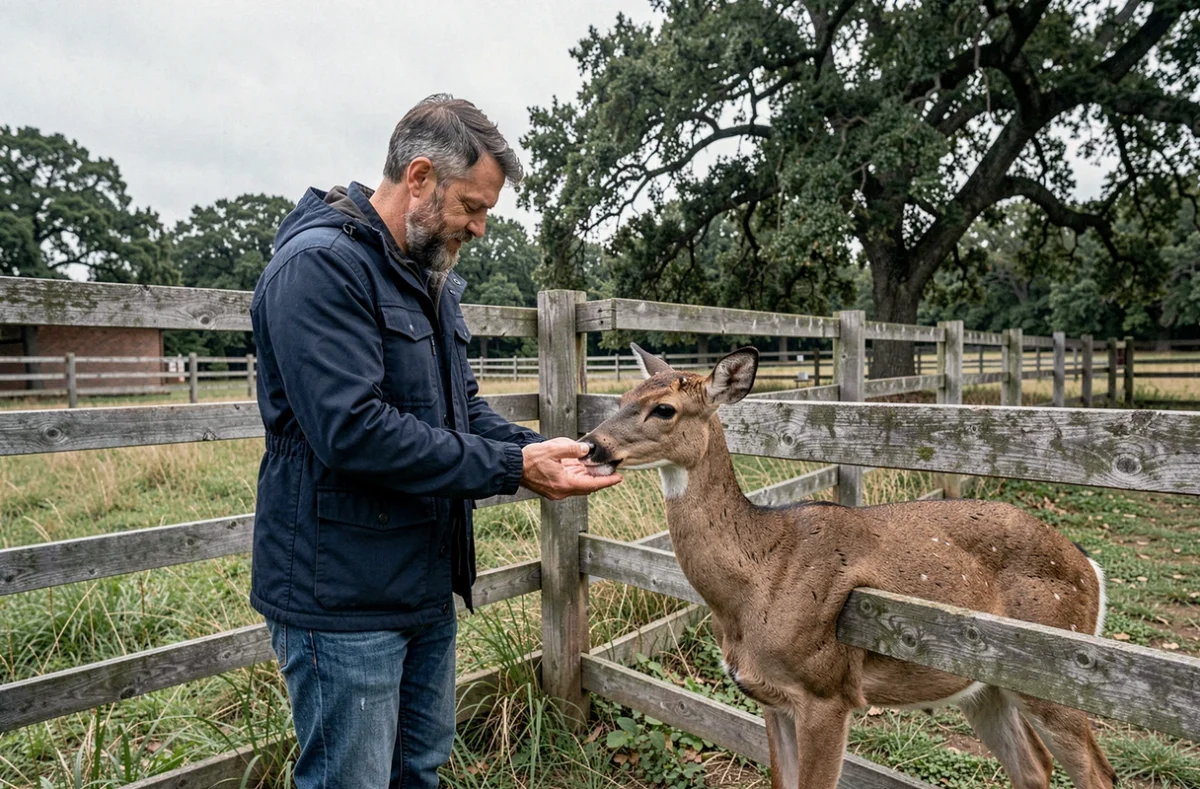
Transport of Live Animals: France Under Pressure from NGOs
On September 2, 2026, seven NGOs called out the Minister of Agriculture for hindering European progress on the transport of live animals. The specific complaint is: France opposes a reduction in transport durations and a strengthening of protections for vulnerable animals, particularly unweaned calves and pregnant females.
On the European side, things are moving faster. The Netherlands announced on September 10, 2026, graduated sanctions against Irish transporters who did not comply with watering and feeding obligations after nine hours of travel. This tightening is part of a gradual movement to reduce imports of live calves.
What This Means for French Farmers
The regulatory pressure does not only come from Brussels. Feedback on this point varies by sector, but cattle farmers who export live animals must anticipate stricter border controls. For pet owners, the issue remains distant, but it illustrates a general tightening of animal welfare standards in Europe.
Cage Farming and Laying Hens: The Transition Accelerates
The European Union is preparing for a gradual phase-out of cage farming. The announced strategy also aims to reduce the systematic killing of male chicks and strengthen requirements for imported products. In France, laying hen farmers have already begun to anticipate this forthcoming ban.
On the ground, converting a cage farm to an alternative system (free-range, aviary) requires heavy investments and a complete change of practices. Farms that have acted early have an advantage; those that wait for the regulatory deadline risk getting stuck.
Misleading Labels and Real Animal Welfare
Several organizations have raised concerns about animal welfare labels that mislead consumers. A label displayed on packaging does not always guarantee superior farming conditions. It is recommended to check the specifications rather than rely on reassuring visuals.
- Check if the label is backed by an independent certifying body, not just a commercial brand
- Compare the criteria of the specifications with the basic regulations (a label that merely complies with the law does not provide any additional guarantee)
- Favor sectors that publish their audits or control reports
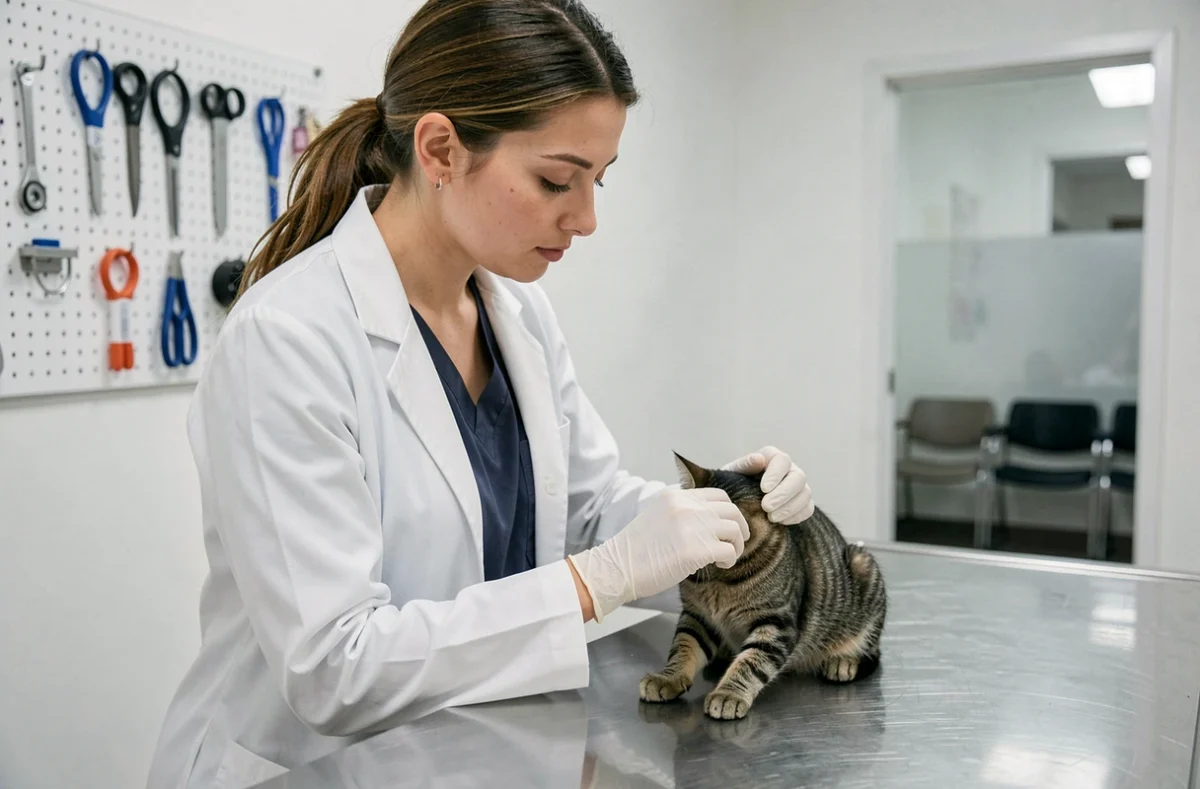
Puppy Shows: The 30 Million Friends Foundation Calls for Their Ban
Puppy and kitten shows continue to spark debate. The 30 Million Friends Foundation has called for a firm and definitive ban on them. The identified problem: these events encourage impulsive purchases, without preparation or reflection on the animal’s needs.
A puppy bought at a show often ends up in a home that has not anticipated the constraints of health, space, or time, which excludes many lifestyles.
Buying a Dog or Cat: Checks Before Purchase
- Ensure that the breeder is registered and that the animal has an up-to-date health record with identification by microchip
- Request to see the parents and the breeding conditions on-site, not just in photos
- Plan a realistic annual budget for food, veterinary care, and pet health insurance
- Check the compatibility of the breed with your housing and daily lifestyle
Discovery of the Tilcayo: A New Species of Wild Cat in Bolivia
For the first time in a century, a new species of wild feline has been identified. The tilcayo, discovered in Bolivia, serves as a reminder that feline biodiversity remains poorly understood, even in regions that have been studied for a long time.
This discovery reignites discussions on the protection of natural habitats and the funding of zoological research. For lovers of domestic cats, it is also a reminder that the feline family includes many more members than those who sleep on our sofas.
French wildlife is also suffering: heatwaves and drought have severely disrupted the entire food chain in recent years. Protecting pets and preserving wild biodiversity are part of the same underlying issue, that of our relationship with living beings in daily life.