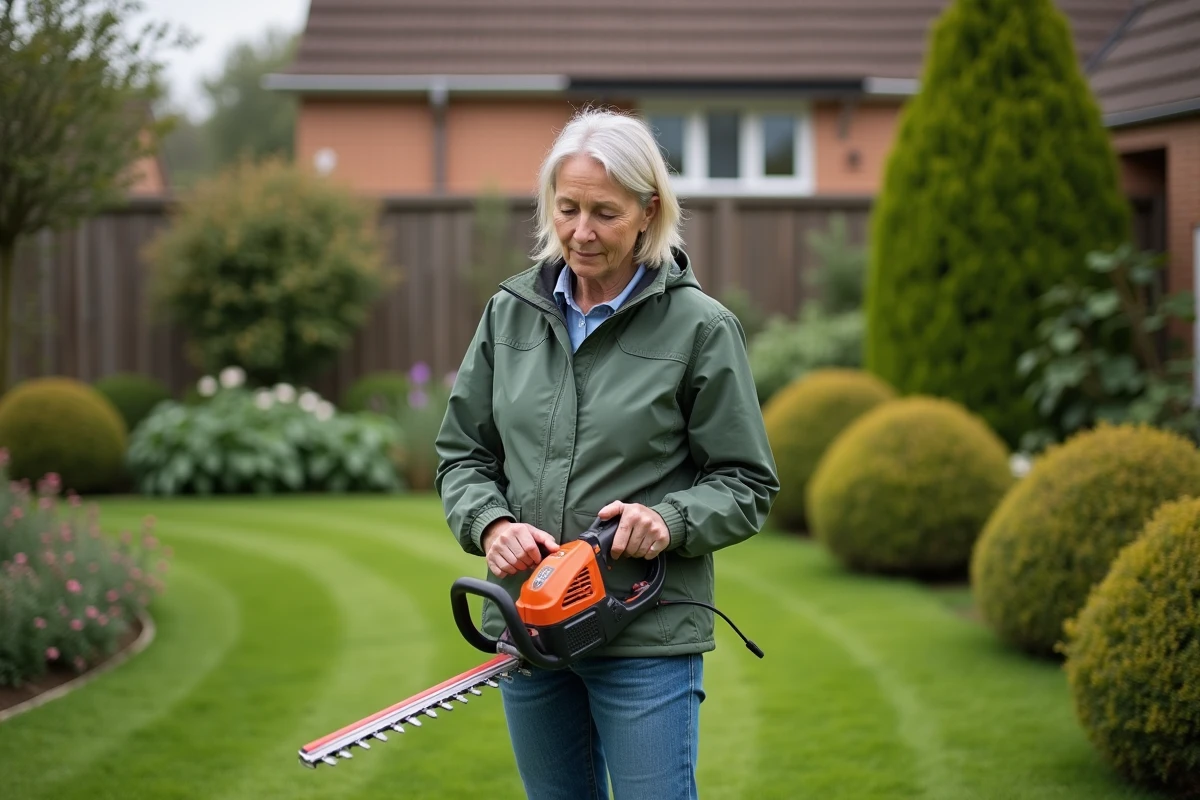
A 3 kg electric hedge trimmer does the same job as a thermal one that is twice as heavy, provided you aim correctly at the power and blade length. On paper, 45 minutes of autonomy could make a difference, but reality goes beyond the battery. Wired, battery-operated, or hybrid, each variant responds to different vegetation, usage frequency, and safety constraints. It’s impossible to prioritize lightness in the choice: a poorly adapted model leads to uneven cutting or the device overheating.
Why the choice of electric hedge trimmer influences the maintenance of your garden
Selecting an electric hedge trimmer is not a trivial matter. This choice impacts the sharpness of cuts, the vitality of the hedge, and the efficiency of all garden work. A well-chosen tool creates clean lines, encourages uniform regrowth, and thickens the foliage. Each type of device reveals its strengths in relation to the diversity of plants:
- The wired model, plugged into the mains, allows for long working sessions without worrying about autonomy,
- The cordless version frees up movement, but you need to keep an eye on the battery.
For medium hedges or hard-to-reach areas, a cordless electric hedge trimmer equipped with a lithium-ion battery stands out for its maneuverability. The battery autonomy then becomes a determining criterion as the area to be treated expands. On the other hand, the wired model fits perfectly in small spaces, near a socket where the cord does not get in the way. At the other end of the spectrum, the thermal model remains the reference for old or thick hedges, but it is heavy and requires more maintenance, which discourages many homeowners.
The link between the type of electric hedge trimmer and the nature of the plant to be cut is not limited to power. It is also about caring for shrubs and ensuring user safety. For an accurate overview of the different families, the site taille-haie-electrique.com reviews the best hedge trimmers, details their uses, and offers user feedback to guide each situation.
The relevance of the model, the blade length, the power, and the power source shape the rhythm of the cuts, the speed of execution, and the preservation of ecosystems at the edge of the garden. The right tool transforms maintenance into pleasure, sculpting a garden that is alive where each hedge plays its role, blocking the wind or protecting privacy.
What criteria to prioritize to find the model suited to your needs
Choosing your hedge trimmer means taking the time to analyze several technical parameters. The first variable to examine is power. It determines the ability to easily cut thick branches or aging plants. For a dense hedge, prioritize a solid motor delivering at least 400 W for wired electric models, or a powerful battery for cordless ones.
Regarding blade length, the choice is not trivial. A long blade facilitates straight cuts over large areas, while a short blade is better for finishing touches or complex shapes. Here’s how to understand tooth spacing:
- For fine hedges: 16 to 20 mm,
- For robust hedges: 25 mm and beyond.
Weight is equally important: a machine weighing 2.5 to 3.5 kg spares the arms during long sessions.
Ergonomics should not be overlooked: an adjustable handle, non-slip grip, every detail makes a difference over the hours. On the accessories side, some models offer a debris collector or a safety sheath, features that simplify maintenance and enhance protection.
Also consider the frequency of use. If you trim occasionally, moderate autonomy may suffice. But for frequent trimming, it’s better to focus on robustness, balance, and maneuverability. The value for money is not measured only at purchase: consider the warranty duration, the ease of finding spare parts, and feedback from experienced users.

Practical tips for effective use and sustainable maintenance of your hedge trimmer
Preparing and maintaining is key to a reliable hedge trimmer in the long term. Before each session, inspect the condition of the blade, clean the blades, and apply a drop of lubricant. This simple reflex slows wear, maintains precision, and prevents corrosion, especially if the tool is stored in a damp shed.
Safety is non-negotiable: goggles, sturdy gloves, hearing protection, and closed shoes are essential. Close-fitting clothing limits the risk of snagging. The workspace must remain clear, without children or pets passing through. A often overlooked point: from March 15 to July 31, birds nest in hedges. To protect wildlife, it’s better to delay trimming, lest you violate regulations reminded by the French Office for Biodiversity.
To ensure the longevity of your hedge trimmer, a few habits make a difference:
- Clean the blades after each use.
- Lubricate all moving parts regularly.
- Check the condition of the battery or power cord.
- Store the device in a dry and secure place.
Also pay attention to the planting distances set by law and neighbors’ rights: any overhanging branch must be cut at their request. Regular maintenance of the hedge trimmer promises a healthy garden, a clean cut, and preserved safety for all. Each well-trimmed hedge is a green curtain that protects life, yours as well as that which nests in the branches.