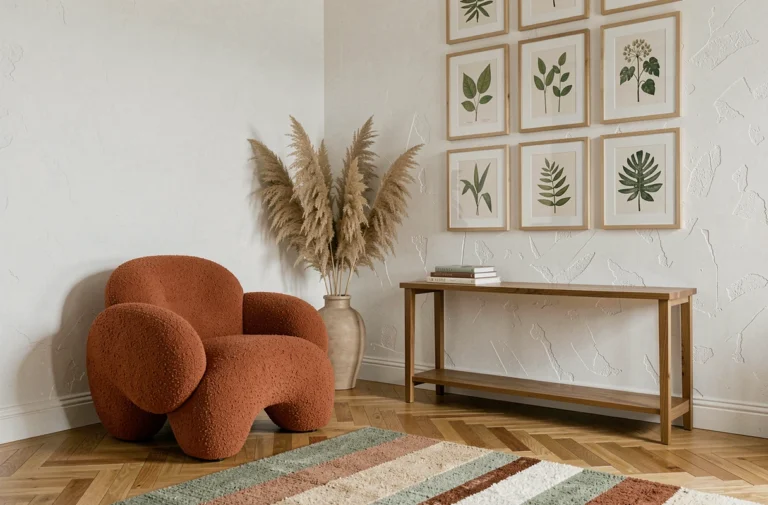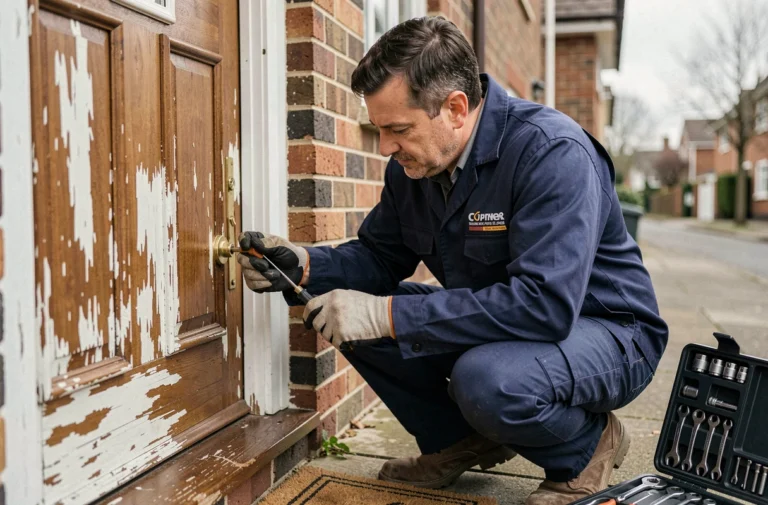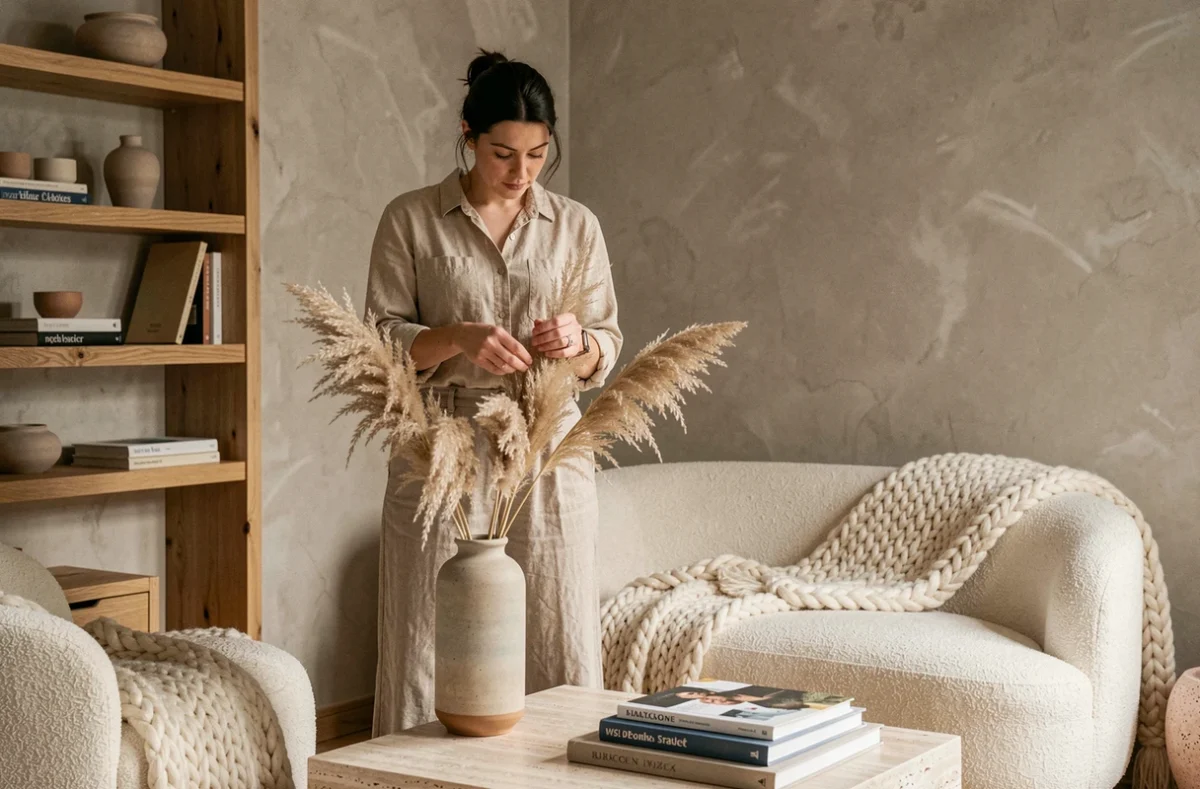
Designing an interior that is unlike any other often starts with a detail that one might not consider: sound, light, or the story of a material salvaged from an old construction site. The decoration trends for 2026 are not just about choosing a wall color or a style of furniture. They incorporate concrete technical constraints that, when mastered, transform an ordinary house into a truly warm place.
Layered indoor lighting: the foundation of a cozy atmosphere
Have you ever noticed that a living room lit by a single ceiling light feels cold, even with comfortable furniture? The problem rarely lies with the furniture. It comes from the light.
Interior design professionals now recommend a layered lighting approach. The principle is simple: combine at least three types of light sources in the same room.
- Indirect light, directed towards the ceiling or walls, creates a soft luminous background that eliminates harsh shadow areas.
- Functional lighting (desk lamp, reading lamp, kitchen worktop spotlight) provides precision where you need it.
- Accent lighting (adjustable wall sconce, string lights, decorative table lamp) draws attention to an object, a painting, or a wall texture.
To enhance visual comfort, current recommendations suggest a color temperature around 2,700 K, close to candlelight. Paired with a dimmer switch, this temperature transforms a living room or bedroom into a cocoon without any heavy renovations.
What makes the difference between a “catalog” interior and a lively one is the ability to modulate the atmosphere according to the time of day. Several articles published in the home section on Atypique Info specifically detail how to adapt your layout room by room.
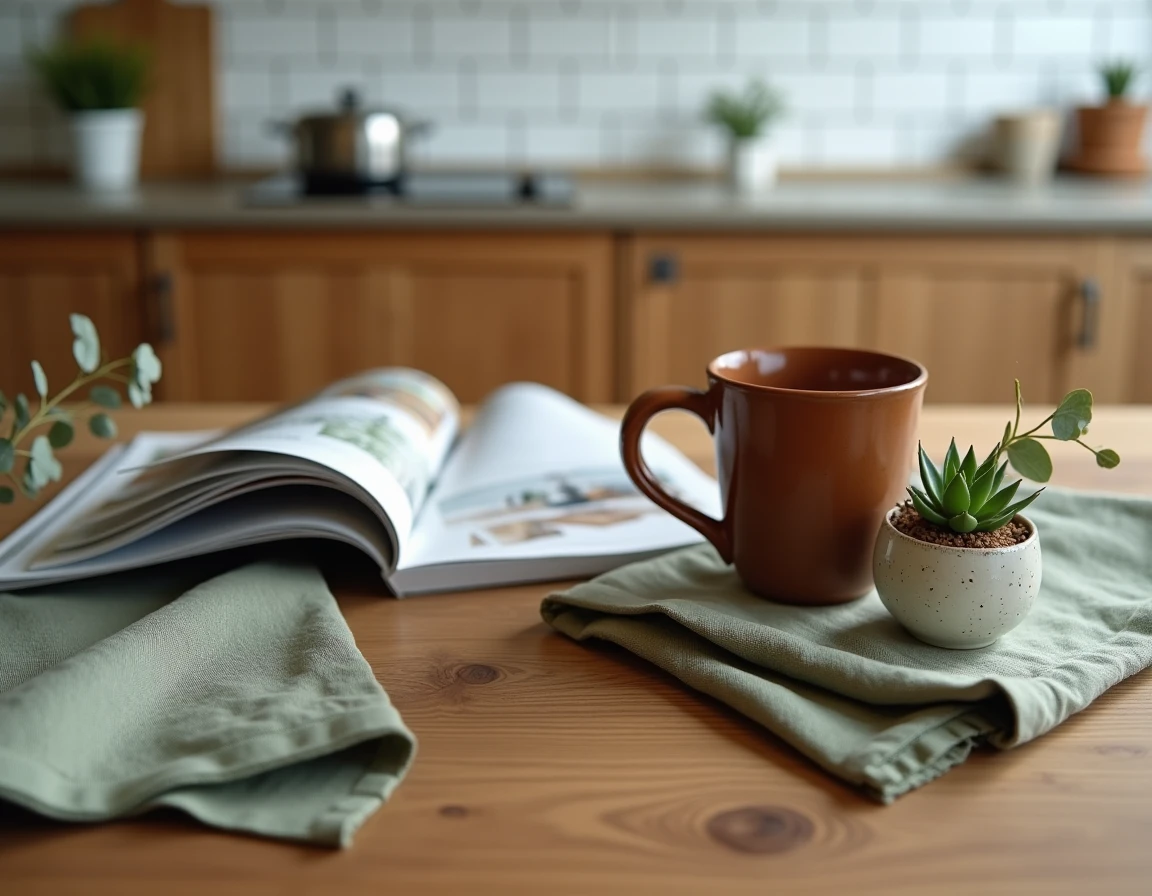
Reusing materials: adding character with salvaged pieces
Organic style, terracotta colors, raw wood: these trends reappear every year in magazines. What is less often discussed is how to concretely integrate old materials into a renovation or new construction project.
Reusing materials has become a true lever for personalization in a home. Old doors, cast iron radiators, reclaimed flooring, artisanal tiles: these elements bring a patina and uniqueness that no new product can replicate.
In Île-de-France, professional recommendations encourage inventorying available materials before any demolition. Sourcing takes time: it requires several months in advance to find the right pieces, check their condition, and contract their provenance.
The PEMD diagnosis, a framework to know
For significant renovation operations, the PEMD diagnosis (products, equipment, materials, and waste) identifies the potential for reuse before demolition or significant rehabilitation. This requirement particularly applies to operations exceeding 1,000 m² of cumulative floor area.
Why does this framework change the game for individuals? Because it feeds a market for second-hand materials of better quality, with documented traceability. A reclaimed oak floor from a diagnosed building is not a blind purchase: its provenance, available quantity, and risk of breakage are typically contracted.
Incorporating one or two reused pieces into a contemporary interior is enough to break the “showroom” effect. An old cast iron radiator in a living room with white walls, a mismatched cement tile as a kitchen backsplash: these are the details that make a house unique.
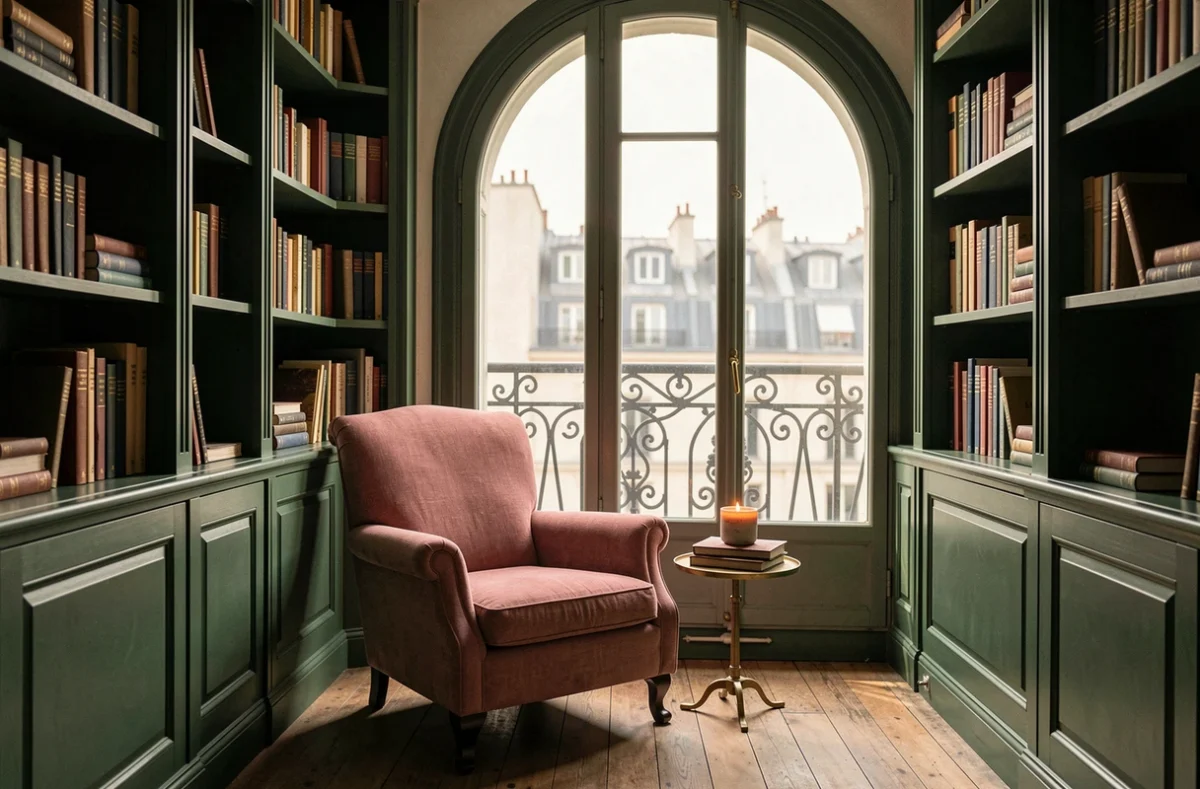
Acoustics and materials: the invisible comfort of a well-thought-out interior
There is much talk about colors and designer furniture, but rarely about what happens when you close the door. Noise is the silent enemy of home comfort. A room that is too reverberant is tiring, even if it is carefully decorated.
Acoustics are now a design criterion integrated from the start, rather than a correction added afterward. Solutions combine absorbent materials (thick textiles, felt wall panels, long-pile rugs) and thoughtful furniture placement.
Specifically, a thick fabric sofa facing a filled bookshelf absorbs much more sound than a leather sofa in front of a smooth wall. Heavy curtains, linen cushions, and cork wall coverings also contribute to this absorption.
Choosing materials for ambiance and sound
Wood, cork, linen, and wool are not just aesthetic choices. They are materials that dampen resonances and warm the atmosphere of a room at the same time.
A living room with solid wood flooring, a large wool rug, and natural linen curtains will be both visually warmer and acoustically more pleasant than a tiled living room with Venetian blinds. The choice of materials directly influences the overall feel, beyond mere decoration.
Deep colors and neutral palette: finding the right balance
The decoration trends for 2026 confirm two seemingly opposing directions: deep colors (olive green, midnight blue, rich terracotta) and very soft neutral palettes (beige, sand, off-white).
The trap is to choose a side without nuance. An all-beige interior lacks depth. An interior saturated with dark colors visually shrinks the rooms.
The practical rule: reserve deep colors for a single wall or targeted elements (furniture, door, niche). The rest of the room remains in neutral tones. This balance creates a focal point without overwhelming the space.
In the kitchen or living room, an olive green wall behind a raw wood shelf is enough to anchor the style. Decorative objects made from natural materials (handmade ceramics, wicker, stoneware candle holders) complete the ensemble without overloading it.
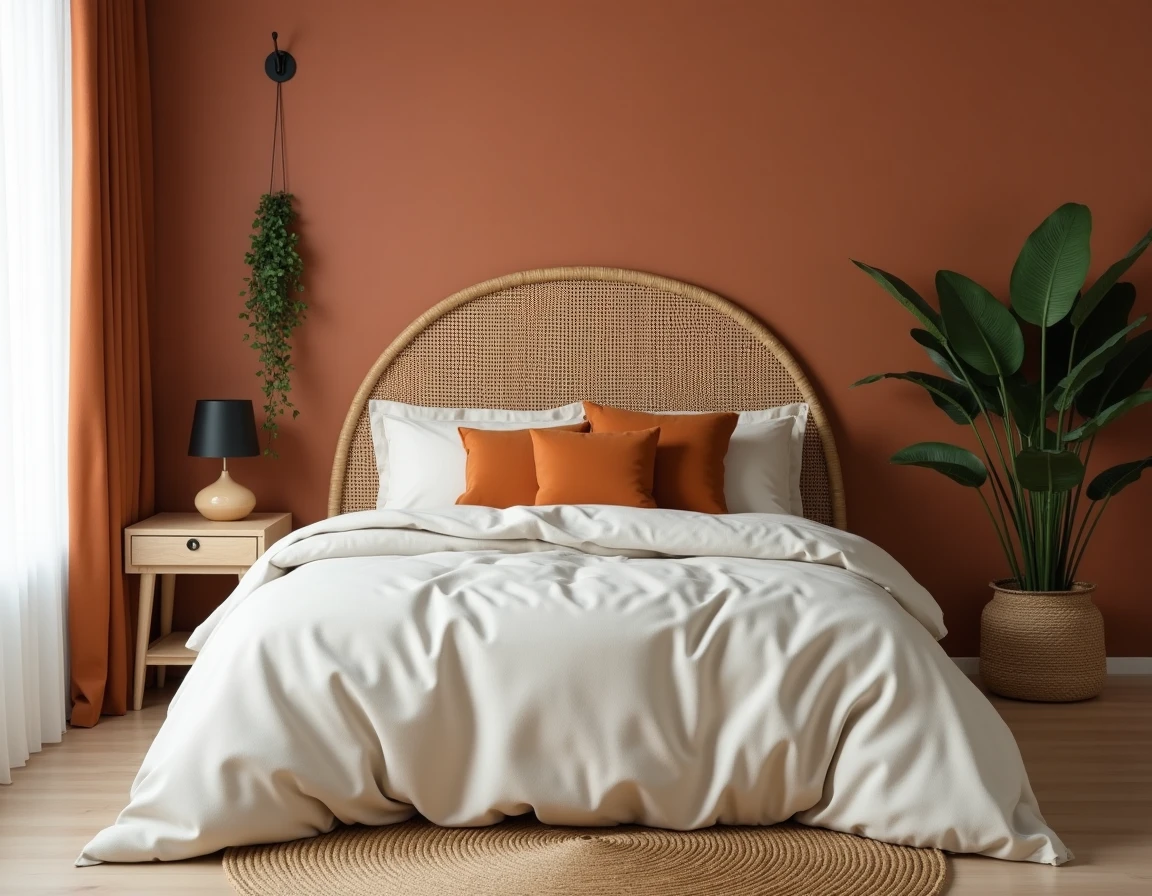
A warm interior does not arise from a list of trends applied mechanically. It relies on concrete technical choices: the quality of light, the history of materials, sound treatment, and a measured balance of colors. Mastering these four parameters together gives a house its unique character, one that no catalog can provide.