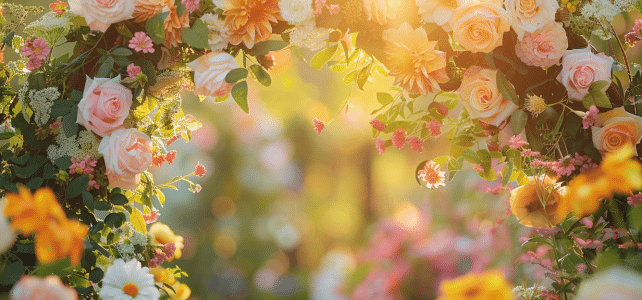
Since the dawn of time, flowers have embodied a multitude of meanings in wedding rituals. These plant organisms, beyond their aesthetic beauty, are imbued with symbolism. Each species, with its color and shape, conveys specific messages, thus playing a key role in the harmony of wedding celebrations. They represent love, fertility, purity, or union, and their selection often reflects the hopes and desires of the future spouses. They punctuate every stage of the ceremony, from decoration to the exchange of vows, testifying to the depth of shared emotions.
The Symbolism of Flowers Across Cultures and Eras
Decoding the symbolism of flowers is akin to flipping through the pages of a grand book open to the history of civilizations. While flowers have always played a central role in nuptial traditions, it is due to their ability to convey messages of unparalleled power. Charlotte de La Tour, a pioneer in this exploration, revealed in her work ‘The Language of Flowers’ a whole palette of meanings associated with these elements of nature. Robert Tyas, in ‘The Sentiment of Flowers: or, Language of Flora’, continued this quest for understanding, highlighting the poetic and emotional dimension of plants in rites of passage, particularly marriage.
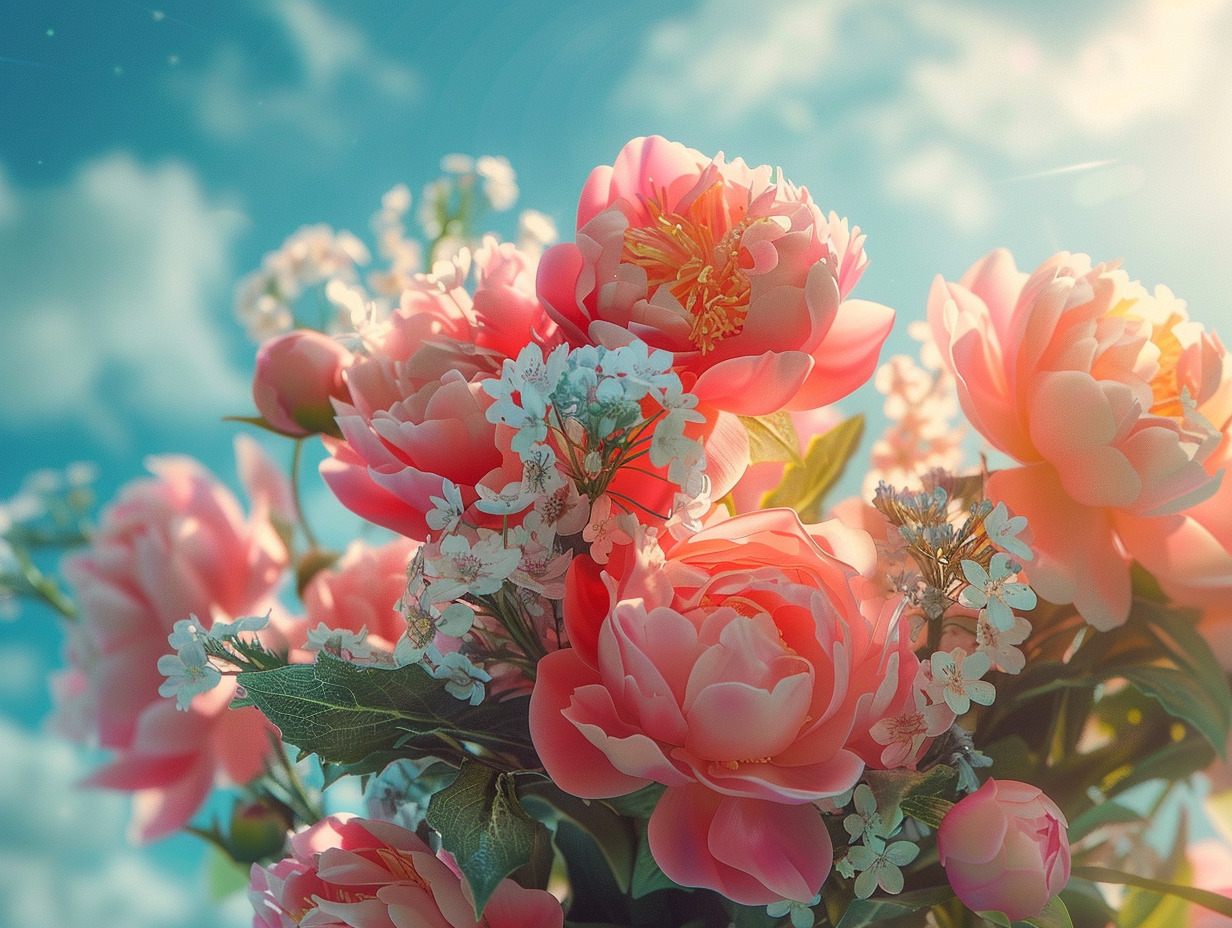
Authors with botanical expertise, such as Louison, have contributed to enriching our knowledge of flowers, thus unveiling the intertwining of botany and culture. Whether it is the garden roses, symbols of deep passion and lasting emotion, or peonies, heralds of prosperity and satisfaction in a relationship, each flower chosen for a wedding is a silent echo of the intimacy of the spouses. Dahlias, with their personal grace, and gardenias, bearers of positive dreams, add to this mosaic of feelings.
As for the spiritual meaning of the tulip, it varies from culture to culture but often converges towards the idea of a declaration of perfect love. Calla lilies, with their innocence and fidelity, and hydrangeas, symbols of gratitude and commitment, complete the picture of floral emotions. These ancestral symbols, perpetuated by contemporary weddings, demonstrate that flowers are much more than mere ornaments: they are the universal language of love and communion between beings.
Choosing Wedding Flowers: Traditions, Emotions, and Current Trends
The bride’s bouquet, laden with history and symbolism, is at the heart of wedding preparations. Wedding traditions strongly influence this choice, infusing floral compositions with inherited and renewed meanings. The flowers selected for the bouquet and the decoration of the ceremony venue are never trivial. They reflect the emotions of the future spouses, their desires, and their personalities. Garden roses express lasting passion, peonies evoke prosperity and satisfaction, while dahlias embody eternal commitment.
Valérie Ghitelman, vice president at 1-800-FLOWERS.COM, emphasizes the close relationship between wished emotions and the choice of flowers for a wedding. Gardenias, for example, are often chosen for their ability to convey confidence and joy, while innocence and fidelity bloom in bouquets of calla lilies. Hydrangeas, for their part, symbolize gratitude and commitment, key values in celebrating the union of two people.
Current trends lean towards increased personalization, reflecting a desire for uniqueness and creativity. Floral choices tend to stray from the beaten path, favoring a more intimate and meaningful approach. Bolder arrangements, incorporating less conventional varieties or innovative floral designs, echo the individualities of the newlyweds. Wedding decoration, just like the bride’s bouquet, thus becomes a unique expression of their love story, woven from traditions and contemporary influences.