
Drivers know how essential road safety is. Among the vital components of a vehicle, the braking system holds a prominent place. The ABS unit, a key part of this system, prevents wheel lock-up during sudden braking, ensuring better vehicle control.
Sometimes this part needs to be replaced. Knowing how to recognize the warning signs of an ABS unit failure and understanding the replacement process can make the difference between a safe journey and an increased risk of accident. Proper maintenance and repair are therefore essential for a smooth ride.
Identifying a Problem with the ABS Unit
The ABS unit, a fundamental element of the braking system, ensures that the wheels do not lock up during emergency braking. This component may sometimes malfunction. Several signals can alert you to this.
- ABS warning light on the dashboard: the presence of this warning light indicates a problem in the ABS system. It could be a faulty sensor or a failure of the electronic control unit.
- Uneven braking: if you feel variations in pressure while braking, the ABS unit could be the cause.
- Wheel lock-up: if the wheels lock up despite the presence of ABS, this indicates a failure of the hydraulic regulation system.
The Role of Components in Diagnosis
Each component of the ABS system plays a specific role. ABS sensors measure the rotational speed of the wheels and transmit this data to the electronic control unit. The latter analyzes the information and commands the brake actuators to adjust the brake fluid pressure via the ABS pump and the relief valve. A failure at any level can disrupt the overall functioning of the ABS unit.
Consider the following question: how long does it take to change an ABS unit? Generally, a professional can perform this operation in a few hours, but it depends on the make and model of the vehicle. A thorough inspection will determine the exact source of the problem and the best solution to address it.
Proper maintenance of these components is therefore essential to ensure the safety of the vehicle and its occupants. Regularly testing the ABS sensor and checking the data from the electronic control unit can help prevent failures and optimize the functioning of the anti-lock braking system.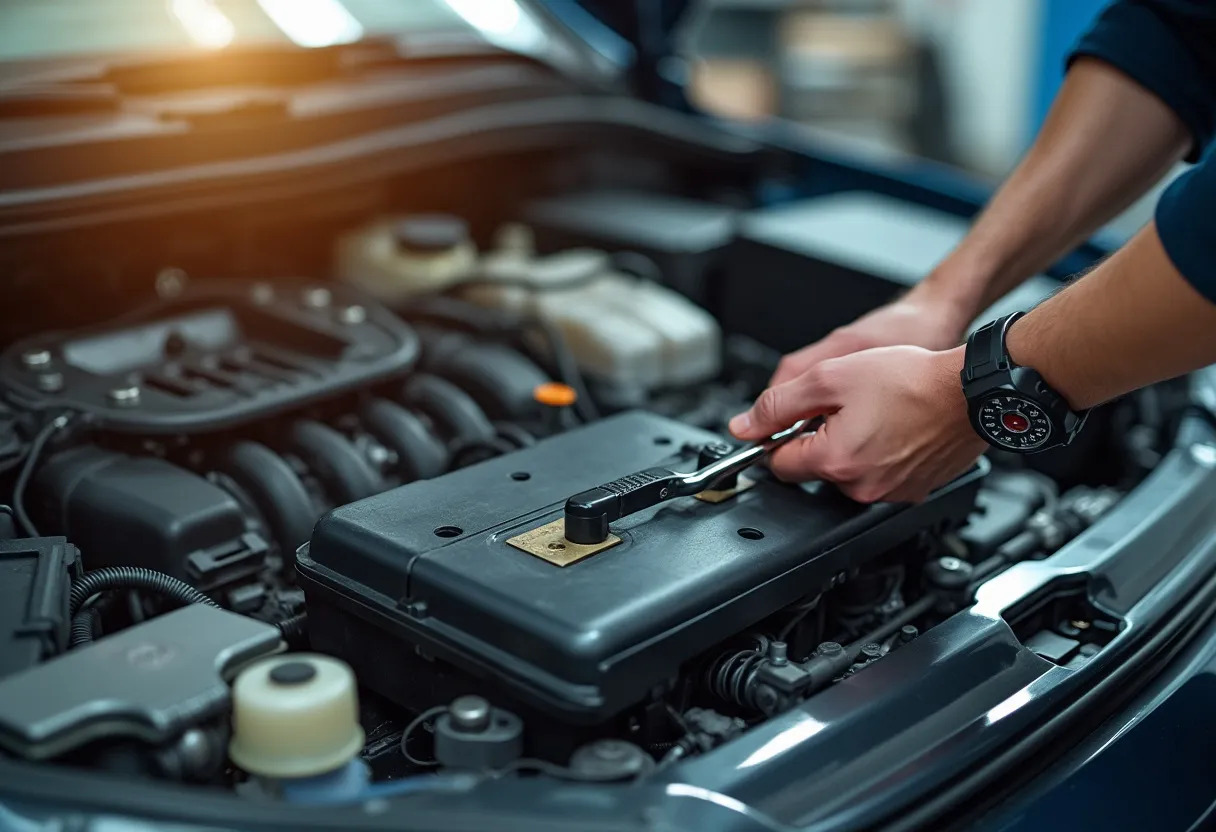
Repair and Replacement of the ABS Unit
The repair or replacement of the ABS unit requires specific expertise. Automotive professionals follow various steps to ensure the reliability of the ABS. The first step is to accurately diagnose the failure. This examination is often done using electronic diagnostic tools capable of reading the error codes from the control unit.
The cost of such an intervention varies depending on several factors: the make and model of the vehicle, the type of ABS unit, and the complexity of the failure. For an Opel Corsa or a Mégane 3, prices can range from 500 to 1500 euros, including parts and labor.
Replacement Steps
- Draining the brake fluid: essential to avoid any contamination of the new unit.
- Removing the old unit: each component must be carefully taken out.
- Installing the new unit: the connection of sensors and actuators must be precise.
- Bleeding the system: to eliminate air bubbles and ensure optimal braking pressure.
Final check: once the replacement is done, a complete test of the ABS system is performed. This check ensures the proper functioning of the new unit and that no error codes remain.
Whether you drive a BMW or an Audi, the ABS unit is an essential element for safety. Follow the manufacturers’ recommendations for the maintenance and repair of your anti-lock braking system meticulously.