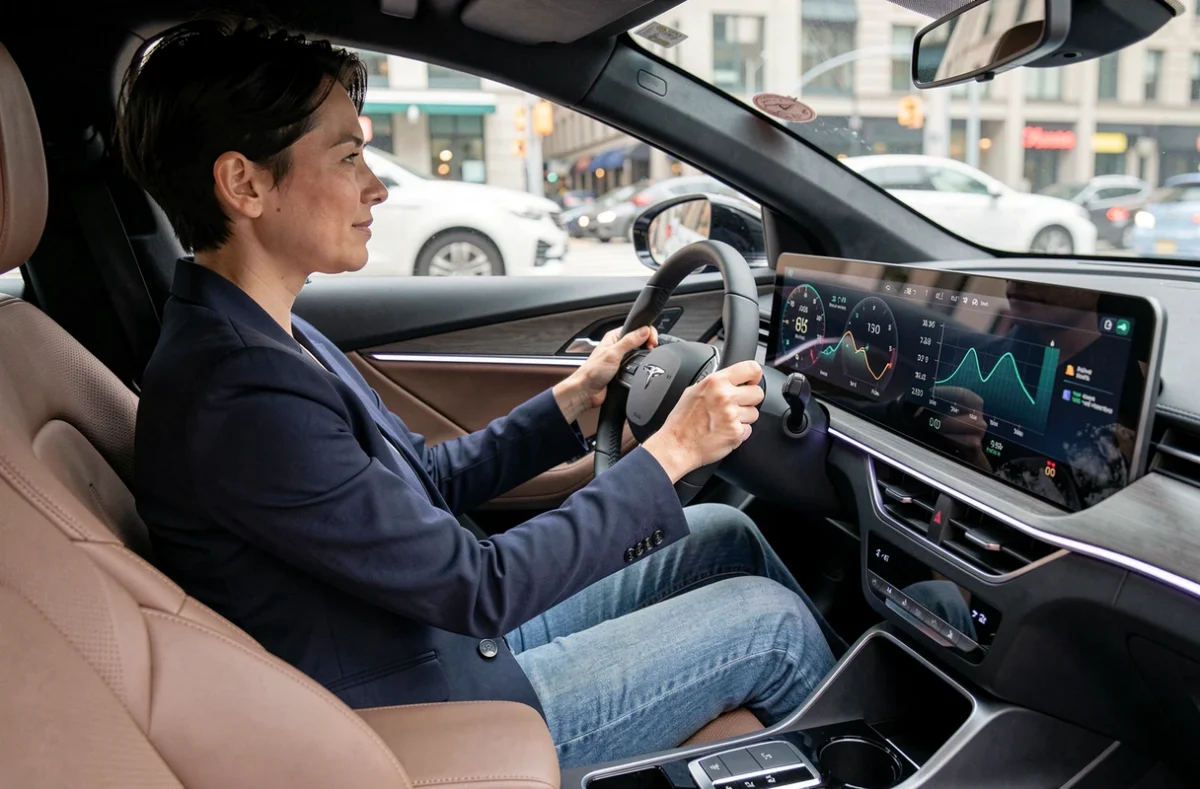
A driver living in a detached house with a wallbox in the garage is experiencing a very different transition from a tenant on the third floor of an apartment building with no charging point in the shared parking area. Automotive trends in 2026 are reflected not only in the specifications of new models, but also in how easy it is to charge, park and maintain a vehicle day to day.
Enedis’s annual study, reported in October 2026, also confirms that electric car drivers cover more kilometres than the average driver in the combustion-engine fleet—a sign that electric vehicles are now being used for more than just the daily commute.
Home charging in 2026: the real game-changer in driving habits
There is plenty of talk about range, denser batteries and fast-charging stations on motorways. In practice, the question that determines whether people switch to electric is more down-to-earth: can you charge at home overnight?
The Enedis survey reported in October 2026 shows that home charging is becoming more common among drivers living in apartment buildings, thanks to the development of shared-building charging solutions. Public charging stations, meanwhile, remain the primary charging method for very few of those surveyed. In other words, home charging has a greater influence on adoption than the advertised range.
For a homeowner with a detached house, installing a wallbox comes down to getting a quote and having an electrician work on the fuse box. For an apartment owner, it means convincing the property manager, securing a vote at the general meeting and then coordinating the work. This unequal access is creating a two-speed transition: some drivers can charge without giving it a second thought, while others plan every journey around the charging points available.
Articles published in Veridictus’s automotive section track these developments model by model, with comparisons that factor in this often-overlooked consideration.
Real-world electric vehicle range: think in terms of journeys, not WLTP kilometres
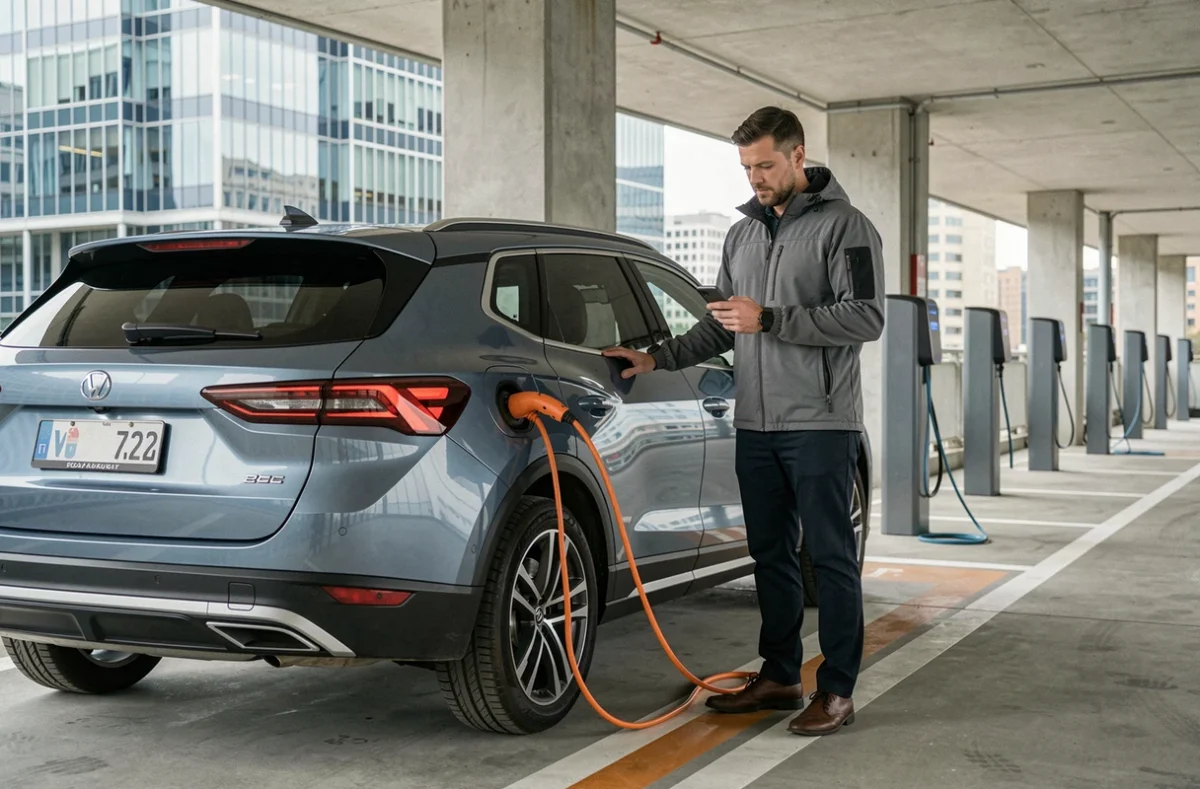
A manufacturer’s specifications claim a range of 400 km. On the motorway in January with the heating on, expect a considerably lower figure. An article published by Ouest-France in October 2026 explores the gap between WLTP range and real-world range, which varies with speed, outdoor temperature, use of the heating or air conditioning, and driving style.
You don’t choose an electric car for the occasional holiday trip, but for your regular journeys. A vehicle with a stated range of 300 km is perfectly suitable if your daily round trip is 60 km and you charge every night. The same car, however, can become impractical for a sales representative covering 250 km of rural roads a day without a reliable charging point halfway along the route.
Before buying, the best approach is to list your five most frequent journeys, note the actual distances and check whether there are charging points along the way. This use-based approach helps avoid the disappointments that still fuel scepticism about electric vehicles.
Smart charging: potential that remains largely untapped
A study reported by Les Numériques found that many drivers charge overnight, but that systematic management of charging remains uncommon and is not gaining ground. Setting your charging point to operate during off-peak hours, or syncing charging with the output from your solar panels, requires a setup that few users know how to configure.
Simply adopting an electric vehicle is therefore not enough to align charging habits with the needs of the grid. Manufacturers are increasingly adding scheduling features to their apps, but the user experience still needs work. This means missing out on some of the economic and environmental benefits of electric mobility.
Euro 7 standard: what it means in practice for new cars at the end of 2026
The Euro 7 standard covers more than just exhaust emissions. It extends its scope to particles emitted by brakes and tyres—an area previous standards overlooked.
For buyers of new vehicles, the practical implications include several changes:
- Braking systems will have to limit fine-particle emissions, encouraging manufacturers to make enclosed disc brakes or dust-capture systems more widely available
- Tyres will be subject to stricter criteria for microparticles, which could affect the choice of replacement tyres
- Electric vehicle batteries are also covered, with tougher durability requirements to limit capacity loss over time
Euro 7 changes what we mean by a clean vehicle: the focus is no longer just on what comes out of the exhaust, but on the overall impact generated while driving. For drivers, this could mean different maintenance costs and tighter rules on the choice of wear parts.
Everyday driving in 2026: what has really changed
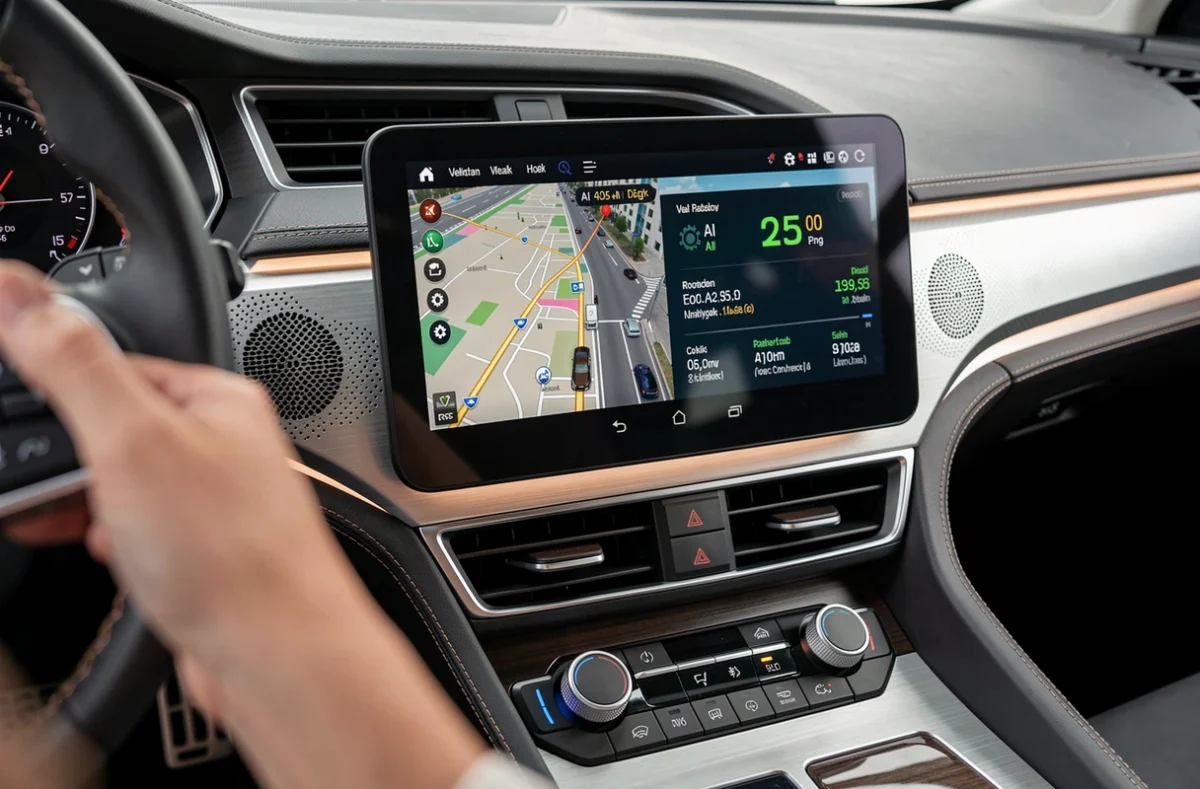
Beyond specifications and regulations, it is the small changes in habit that reveal the transformation underway. For a long-distance journey, drivers check the charging points along the route, much as they once checked for petrol stations in rural areas. They look at the weather not just to decide what to wear, but to estimate how the cold will affect their remaining range.
2026 models come with more precise driver-assistance systems, capable of handling emergency braking, lane keeping and speed adjustment more smoothly. For most motorists, everyday driving still relies on Level 2 assistance systems.
Car-buying habits are changing
Price remains the top consideration, but buyers now weigh up more factors. They compare cost per kilometre, taking into account the cost of charging or fuel, any remaining environmental bonus and the expected depreciation resulting from changing regulations. A combustion-engine vehicle bought in 2026 could lose its resale value more quickly if urban traffic restrictions become stricter in the coming years.
Choosing a car in 2026 is no longer just a matter of balancing engine, price and design. It also depends on your type of home, commute distance, access to a charging point and ability to adapt to regulatory changes. This year’s automotive trends are not best understood at a motor show, but in an apartment building’s car park or on a journey-planning app.