A cold statistic: after 65, each hospitalization multiplies the risks of loss of autonomy. The numbers are clear, but they do not tell the whole story. In the shadow of major recommendations, a thousand daily actions form a silent barrier against the wear of age.
The essentials to stay fit after 60
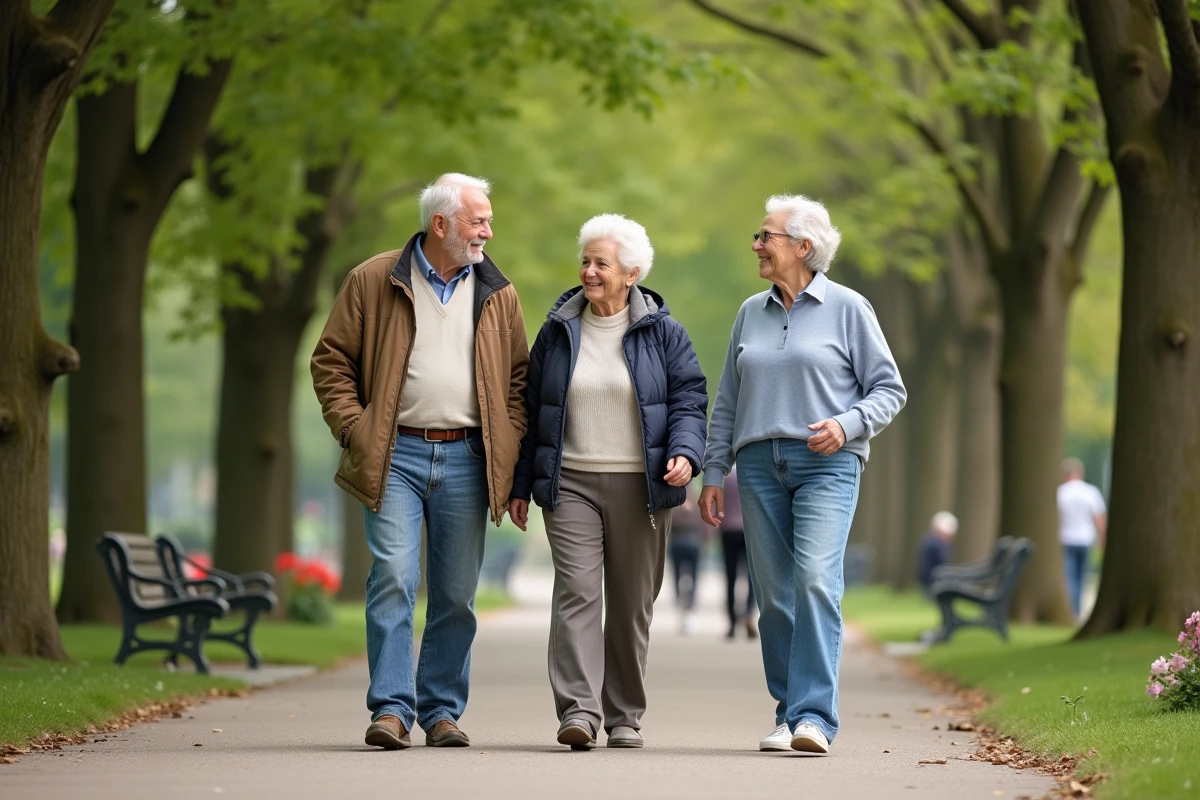
Staying fit, maintaining stable energy, preserving muscle strength: this is the common thread for those who advance in age with vigilance. The World Health Organization (WHO) has set the bar at 150 minutes of adapted physical activity each week. This threshold, far from arbitrary, protects the heart, oxygenates the body, and supports mental balance. Among the most accessible actions, walking stands out. Without complex equipment, it integrates into daily life, within everyone’s reach. It energizes, slows the onset of certain chronic diseases, and boosts morale.
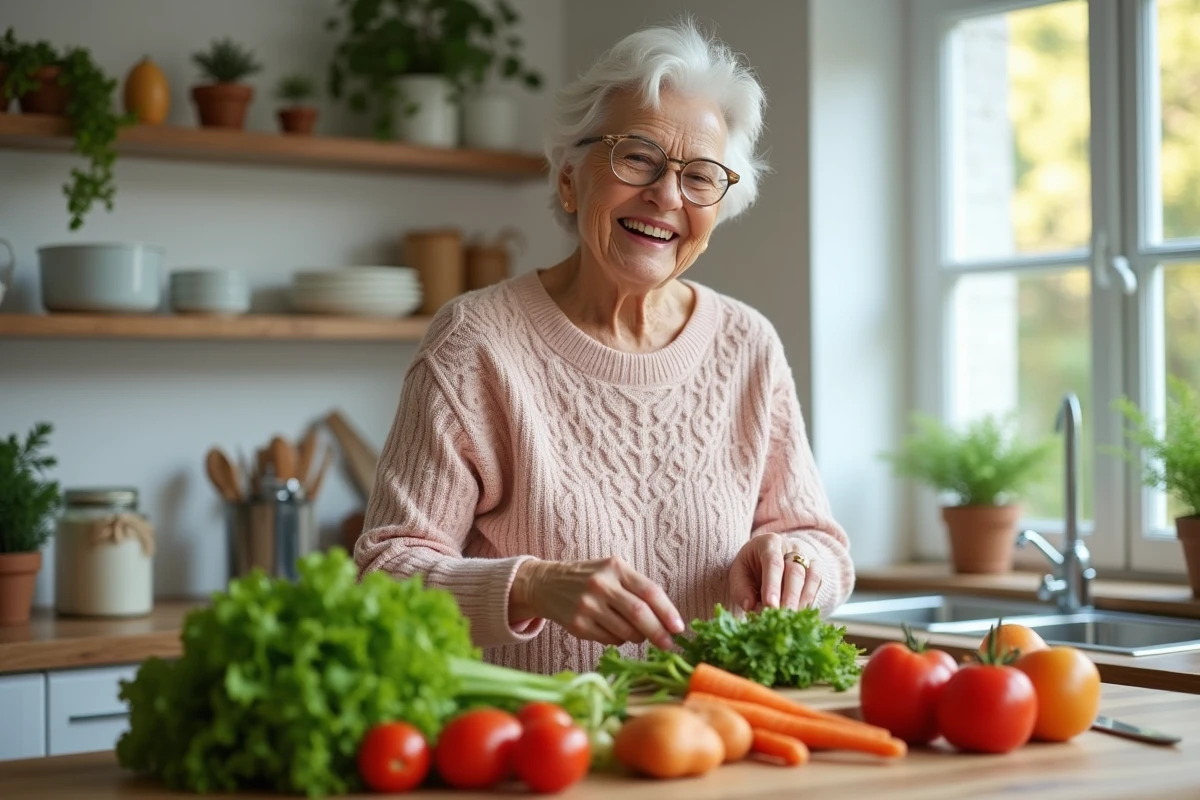
This foundation does not hold without balanced nutrition. Adequate intake of proteins, fibers, antioxidants: this is the trio to include in the menu. Seasonal fruits, varied vegetables, and fatty fish nourish the body and limit muscle loss. Hydration should not be overlooked. A lack of water quickly translates into increased fatigue, decreased alertness, and memory issues. For seniors, this detail weighs heavily.
The puzzle is completed with regular sleep. Quality nights provide deep recovery, strengthen natural defenses, and help keep the mind clear. The balance between movement, nutrition, and rest emerges as the best guarantee for navigating the years with vitality. WHO studies are clear: an active lifestyle means more years in good health, more independence, and fewer complications.
To explore these tips concretely, learning more about Néo Santé helps identify suitable paths for each situation and profile.
How to adapt daily life to preserve health and morale?
Preserving health and morale is neither a matter of luck nor a miracle. It relies on repeated choices, habits that take root, and constant vigilance. Preventing cardiovascular diseases, vision or hearing problems starts with diligent medical follow-up. Regular visits to the general practitioner for a nutritional assessment allow for adjustments to habits and taking advantage of existing preventive services, often unknown but valuable.
The family circle, the presence of a home caregiver, belonging to a social group: these supports are far from trivial. They protect against isolation, a factor of psychological and physical fragility. An active network, even modest, helps maintain confidence, stimulates the desire to act, and impacts life expectancy.
Here are some concrete reflexes that make a difference in daily life:
- Incorporate regular sessions of adapted physical activity: even a simple walk or some stretching is enough to boost energy and protect the joints.
- Be attentive to oneself: do not ignore unusual fatigue, persistent tiredness, or the onset of pain, and react without delay.
- Adapt the environment: install effective lighting, place grab bars, secure pathways in the house or apartment.
Anticipating is gaining time on complications. Support from a health coach can also help establish these reflexes over time, so that well-being is neither a distant goal nor a pious wish, but a renewed way of life, through the seasons.
Small tips and simple gestures that really make a difference
Acting for one’s health sometimes means modifying tiny details, but which, when accumulated, change everything. Preventive actions are not limited to age or fitness level; they adapt, transform, and reinvent according to current needs.
Stimulate the body and nourish the mind
Here are some concrete practices to integrate into daily life to preserve vitality and maintain faculties:
- Include a time for physical activity every day, even if brief: a walk around the block, some mobility movements, a visit to the garden. These actions maintain flexibility, promote circulation, and slow muscle loss.
- Set aside time for reading, memory games, or learning a new skill. These moments stimulate curiosity, protect the brain, reduce anxiety, and facilitate falling asleep.
Adapt the environment for safety
Some practical improvements make the living environment safer and limit accidents:
- Install grab bars in strategic locations, lay down non-slip mats, ensure uniform lighting to avoid falls, rightly feared by seniors.
- Consider teleassistance: a discreet device that reassures and triggers quick intervention if needed, while maintaining a connection to the outside world.
Nothing replaces the strength of social connections. Participating in workshops, maintaining regular exchanges with loved ones: these collective moments, even simple ones, promote autonomy, enrich the mind, and add depth to each day. It is often in these shared moments that life gains intensity and age fades away, if only for a smile or a recovered memory.